In short: lochia is postpartum discharge from the uterus that lasts 4-8 weeks. They change color from red to pink and yellowish-white. Heavy bleeding, unpleasant odor or a sharp increase in discharge is a reason to urgently consult a doctor.
What is lochia
Lochia (from the Greek lochia - "childbirth") is a postpartum discharge from the uterus, consisting of blood, mucus, endometrial cells and leukocytes. They reflect the normal healing process of the inner surface of the uterus after the separation of the placenta.
Lochia appears in all women after childbirth - both after natural and after cesarean section (although after cesarean they may be somewhat less).
Norm by week
Days 1-3 (red lochia, Lochia rubra): bright red, profuse, reminiscent of menstruation or slightly more profuse. The norm is 1-2 pads per hour on the first day, gradually less. Small clots (up to 1-2 cm) are acceptable.
Days 4–10 (pink/brownish, Lochia serosa): color lightens, volume decreases. The discharge is pink, light brown, watery. The smell is specific, similar to the smell of menstruation, but not putrid.
From the 11th day to 6-8 weeks (yellowish-white, lochia alba): scanty, yellowish-white or transparent. They are gradually coming to naught.
What affects the duration of lochia
Lochia can last longer with:
- active physical exertion (lochia increases after exertion – this is a signal "slow down");
- breastfeeding (oxytocin stimulates uterine contraction and may cause a slight increase in discharge during feeding);
- multiple pregnancies and large fetuses (larger healing area).
Warning signs
Call your doctor right away if:
- Heavy bleeding: soaks the pad in less than 1 hour or clots larger than a hen's egg come out;
- Unpleasant (putrid) odor: a sign of infection (endometritis);
- A sharp increase in red discharge after it has already become lighter;
- An increase in temperature above 38 °C combined with a change in lochia;
- Pain in the lower abdomen not related to feeding.
Postpartum hemorrhage vs. lochia
Postpartum hemorrhage is one of the most dangerous obstetric complications. It differs from normal lochia:
- does not stop even when pressing on the uterus;
- volume of more than 500 ml in the first 24 hours;
- is accompanied by a drop in blood pressure and weakness.
Most severe postpartum bleeding occurs in the first hours after childbirth, when you are still in the hospital. Late postpartum haemorrhage (24 hours to 12 weeks) is less common, but it also requires immediate care.
Hygiene during the period of lochia
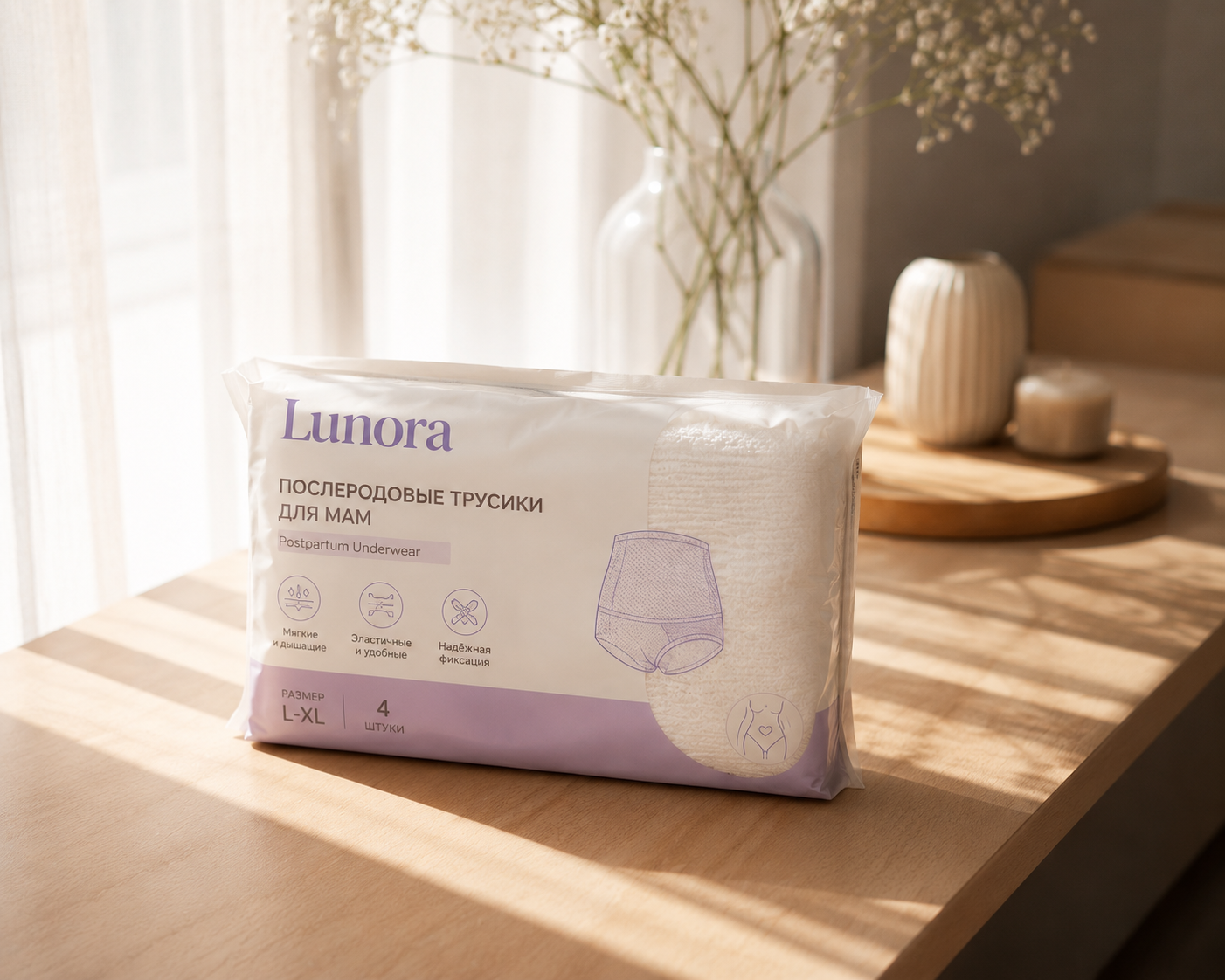
- Use postpartum pads or regular sanitary pads (not tampons! – risk of infection).
- Change the pad every 3 to 4 hours or more often.
- Wash from front to back with warm water after each toilet.
- Do not take a bath or go to the pool until the lochia has completely stopped.
When lochia stops prematurely
If the discharge stopped abruptly before 3-4 weeks, this may be a variant of the norm (especially in multiparous women), but sometimes indicates a lochiometer (retention of discharge in the uterine cavity). For pain in the lower abdomen and low-grade fever, an ultrasound is needed.
When to see a doctor
In addition to the warning signs described above, consult a doctor if:
- lochia lasts more than 8 weeks;
- the discharge has become bright red again after being almost colorless;
- There is itching or burning in the vagina.
Frequently Asked Questions
Is it possible to have sex during lochia?
No. The cervix remains open, and sex during this period creates a risk of infection. Wait at least 6 weeks and the discharge ends. For more details, see the article recovery after childbirth.
Why do lochia get worse after breastfeeding?
Feeding stimulates the release of oxytocin, which contracts the uterus - this is normal and useful for involution. A slight increase in discharge during feeding in the first days is normal.
Are lochia and menstruation the same?
No. Lochia is discharge from the healing uterus, not the menstrual cycle. Menstruation after childbirth will return later - in nursing mothers, often only after the cessation of lactation.
Conclusion
Lochia is a normal part of postpartum recovery. Knowledge of their normal course helps to notice alarming signs in time. Trust your body, observe hygiene and do not hesitate to call the doctor at the slightest doubt.
Bibliography
- WHO. WHO recommendations on postnatal care of the mother and newborn. 2013. https://www.who.int/publications/i/item/9789241506649
- ACOG. Optimizing Postpartum Care. Committee Opinion No. 736. 2018.
- NICE guideline CG37. Routine postnatal care. 2006. https://www.who.int/publications/i/item/9789241506649
- Ministry of Health of the Russian Federation. Clinical guidelines: Postpartum period. 2022. https://cr.minzdrav.gov.ru/
- Visness CM et al. The duration and character of postpartum bleeding among breast-feeding women. Obstet Gynecol. 1997.
This material is for informational purposes only and does not constitute medical advice and is not a substitute for medical advice. If a child's sleep is accompanied by alarming symptoms, a pronounced deterioration in health, problems with breathing, feeding or weight gain, it is necessary to consult a qualified medical specialist as soon as possible, and not rely only on information from the Internet.